EN
Why Polyester Staple Fiber Remains Popular in Global Textile Manufacturing
Polyester staple fiber remains a familiar raw material in mills, nonwoven plants, and filling operations because it can be specified for very different processing routes. The reason is not that one fiber solves every textile problem. Rather, polyester staple fiber gives manufacturers a practical way to connect an intended end use with a selectable fiber form, a process route, and a quality-control plan. That combination continues to support synthetic fiber demand across a broad industrial base.
From a fiber-process technical advisory perspective, the useful starting point is the production objective: what must the finished product do, how will it be processed, and which variables need verification? Polyester staple fiber is cut to a chosen staple length, so it can enter workflows designed around staple-fiber handling and spinning. That said, the next question is not whether polyester staple fiber is inherently the right choice, but whether its specification fits the stated application.
Application breadth keeps polyester staple fiber relevant
One reason polyester staple fiber remains visible in global textile manufacturing is its application range. In practice, polyester staple fiber continues to appear wherever a converter needs a specification that can be matched to a distinct textile route. Search findings and industry material commonly place polyester staple fiber in spinning, nonwoven, filling, and selected industrial uses. A spinner may evaluate polyester staple fiber for yarn formation or blending; a nonwoven producer may evaluate it for a web-based process; a filling-product manufacturer may focus on bulk, recovery, or hand feel. These are different requirements, but they can begin with the same broad fiber family.
This range matters because textile industry applications rarely require one universal construction. Solid, hollow, conjugated, low-melt, and other engineered forms may serve different process and product needs. For example, a fiber route selected for spun yarn should be assessed differently from a route selected for cushioning or thermal-bonded nonwovens. Polyester staple fiber stays useful when the grade is treated as a design input rather than a generic commodity description. That discipline keeps polyester staple fiber tied to the actual manufacturing question instead of a broad material label.
The practical shift is to move from a broad material label to a documented application brief. Before choosing polyester staple fiber, teams can clarify the target product, downstream conversion method, desired tactile or structural behavior, and inspection criteria. This reduces the chance that a nominal fiber description is asked to stand in for a complete specification.
 Polyester staple fiber can be evaluated against the processing route and intended application.
Process compatibility supports flexible manufacturing routes
Polyester staple fiber also fits a manufacturing landscape where suppliers and converters may need to respond to changing orders, product formats, and blend strategies. Its staple form can be considered alongside other staple fibers in processes that depend on opening, carding, blending, web formation, or spinning. Compatibility should be validated on the actual line, because polyester staple fiber performance depends on the fiber specification, blend ratio, equipment condition, and operating window.
At first this can look like a raw-material decision; more precisely, it is a process-and-interface decision. The selected polyester staple fiber affects how teams discuss feedstock consistency, fiber preparation, drafting behavior, web uniformity, and finished-product evaluation. A stated capacity target does not by itself answer whether material handling, utilities, controls, sampling, and commissioning practices are ready to support that target.
This is also why polyester materials are often discussed in terms of both material properties and conversion context. Commonly cited polyester characteristics include durability, resistance to stretching and shrinking, wrinkle resistance, and relatively low water absorbency. These characteristics can be useful, but they should not be converted into blanket product promises. Fiber fineness, cut length, crimp, finish, blend partner, fabric construction, and end-use conditions all influence the result.
Specification choice turns versatility into a controlled outcome
Versatility becomes meaningful only when polyester staple fiber is specified with enough detail for the intended route. A polyester staple fiber brief is most useful when it can be checked against the line and the finished-product requirement. A purchasing or engineering brief may need to define fiber type, fineness, cut length, crimp or bulk requirements, finish expectations, color requirements, recycled-content expectations where applicable, and the relevant test or acceptance method. Polyester staple fiber can support many options, but each option brings a different set of processing questions. For this reason, polyester staple fiber should be reviewed as a controlled input, not a shortcut to a finished-product conclusion.
Instead of listing a feature, ask which decision it supports. Does the chosen polyester staple fiber need to improve opening behavior, support a blend, provide bulk in a filling product, or work with a bonding method? If feedstock condition varies, the evaluation should include input-quality questions before drawing process conclusions. This is especially important when fiber market trends lead organizations to consider new sources, recycled inputs, or a wider product mix.
A useful specification review separates four areas:
- Material: identity, consistency, and any input constraints that require verification.
- Process: the preparation and conversion route that will handle the fiber.
- Product: the measurable characteristics needed in the final textile, nonwoven, or filling article.
- Control: sampling points, acceptance criteria, traceability, and response actions when variation is found.
Why supply-chain and blending logic still matter
Global textile manufacturing is rarely a single-step operation. Fiber producers, converters, spinners, nonwoven manufacturers, and product brands may each interpret the same polyester staple fiber through a different operational lens. The material’s popularity is therefore linked to communication as much as chemistry: a clearly defined grade can help teams discuss what enters the line, what happens during conversion, and what must be checked at handover.
Blending is one example. Polyester staple fiber may be considered with other fibers when a product developer wants to balance processing behavior, appearance, hand feel, or care requirements. The final assessment still depends on the fiber specification and site conditions. It is more useful to document the intended blend objective and run an appropriate trial than to assume that any polyester staple fiber will behave the same way in every mix.
A practical way to evaluate ongoing demand
For organizations reviewing synthetic fiber demand, the strongest question is not simply whether polyester staple fiber is popular today. It is whether a particular grade can meet a defined application, process, and verification plan. This evidence-first approach helps distinguish broad market interest from a technically suitable material choice.
Start with the end use, convert it into measurable requirements, then review the interfaces from feedstock through finished-product inspection. Polyester staple fiber remains popular because it offers a flexible starting point for that discussion across many textile industry applications. Its continuing relevance, however, depends on disciplined specification, trial work, and quality control rather than assumptions about the material alone.
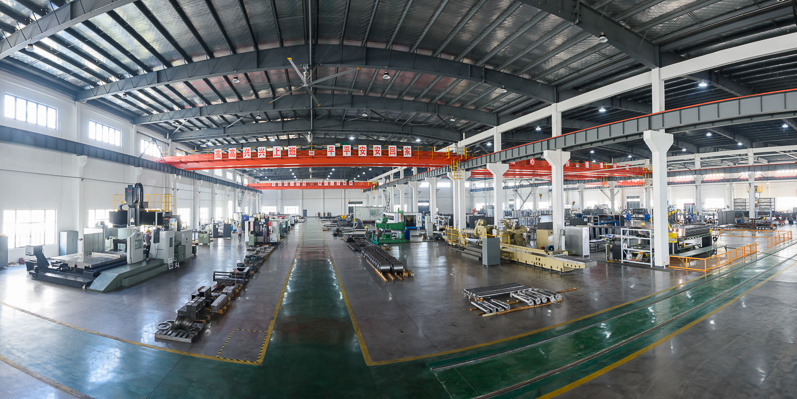
For a fiber-material production project, early planning can also benefit from a scoped discussion of process package, equipment interfaces, and validation needs. Suzhou Soft Gem Intelligent Equipment Co., Ltd. presents whole-project planning as part of its stated fiber-material plant positioning; the appropriate scope and technical fit should be confirmed for each project.

 Hot News