EN
Polyester Staple Fiber Production Line Layout and Process Design
A polyester staple fiber production line is not simply a row of machines placed in process order. It is a connected manufacturing system in which material flow, utilities, operator access, quality checks, and maintenance routes have to work together. For a plant engineering team, the practical question is not only “Which equipment is required?” but also “How will every interface behave when the line is running, being cleaned, or being serviced?”
Good production line design starts with the required fiber specification. Fiber denier, cut length, crimp character, finish requirements, feedstock route, and intended downstream use shape decisions well before floor-space drawings are finalized. That is why an effective fiber factory layout begins with process objectives and operating constraints rather than a capacity number alone.
Start with the Output Specification, Not the Equipment List
Before selecting the arrangement of a polyester staple fiber production line, define what the plant must make and what variability it must handle. A line intended for a narrow product range can usually simplify routing and controls. A line expected to switch among grades may need more attention to changeover space, segregated handling, and verification points. Neither approach is automatically better; the appropriate choice depends on the product plan and the evidence available during engineering.
A useful design brief should state the expected feedstock condition, target fiber characteristics, packaging format, operating schedule, and the interfaces owned by utilities, quality, production, and maintenance teams. This avoids a common mistake: treating nominal throughput as proof that the full PSF manufacturing system is ready. Throughput is one input. Storage, conveying, waste handling, access, and control visibility determine whether the rate can be sustained in daily operation.
Map the Process into Clear Layout Zones
Although the exact route varies by product and feedstock, a polyester staple fiber production line commonly moves from preparation and melt handling through spinning, cooling, tow collection, drawing, crimping, thermal treatment, cutting, and packaging. The layout should preserve that logic while leaving enough room for safe observation and intervention. Each zone needs a defined handoff to the next one.
| Process zone | Layout question | Why the interface matters |
|---|---|---|
| Feedstock and melt preparation | Where are receiving, conditioning, storage, and transfer points located? | Material condition and handling discipline affect downstream stability. |
| Spinning and cooling | How are access, airflow, cleaning, and service routes separated from normal movement? | Operators need to inspect the area without disrupting the process. |
| Tow collection and drawing | Where can tension, finish application, and route changes be monitored? | Small interface issues can carry forward into later stages. |
| Crimping and thermal treatment | How will utilities, drainage, insulation, and maintenance access be coordinated? | These stages connect fiber form, condition, and downstream handling. |
| Cutting and packaging | Can finished material, rejected material, and people move without crossing paths unnecessarily? | Clear separation supports traceability and housekeeping. |
This zone-based view turns a polyester staple fiber production line into an engineering map rather than a brochure diagram. It also helps cross-functional teams discuss the same layout using the same system boundaries.
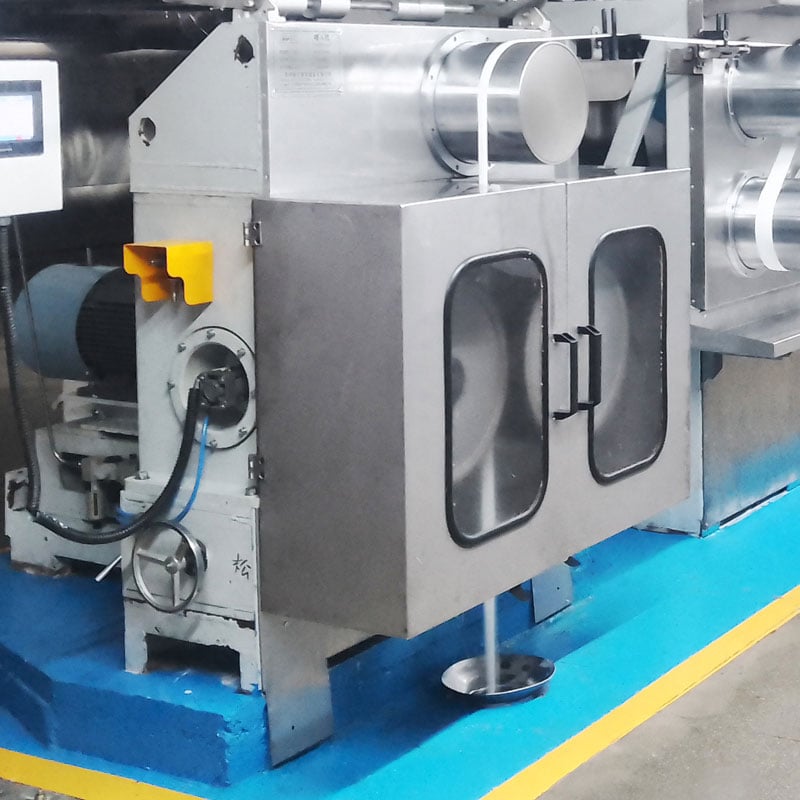
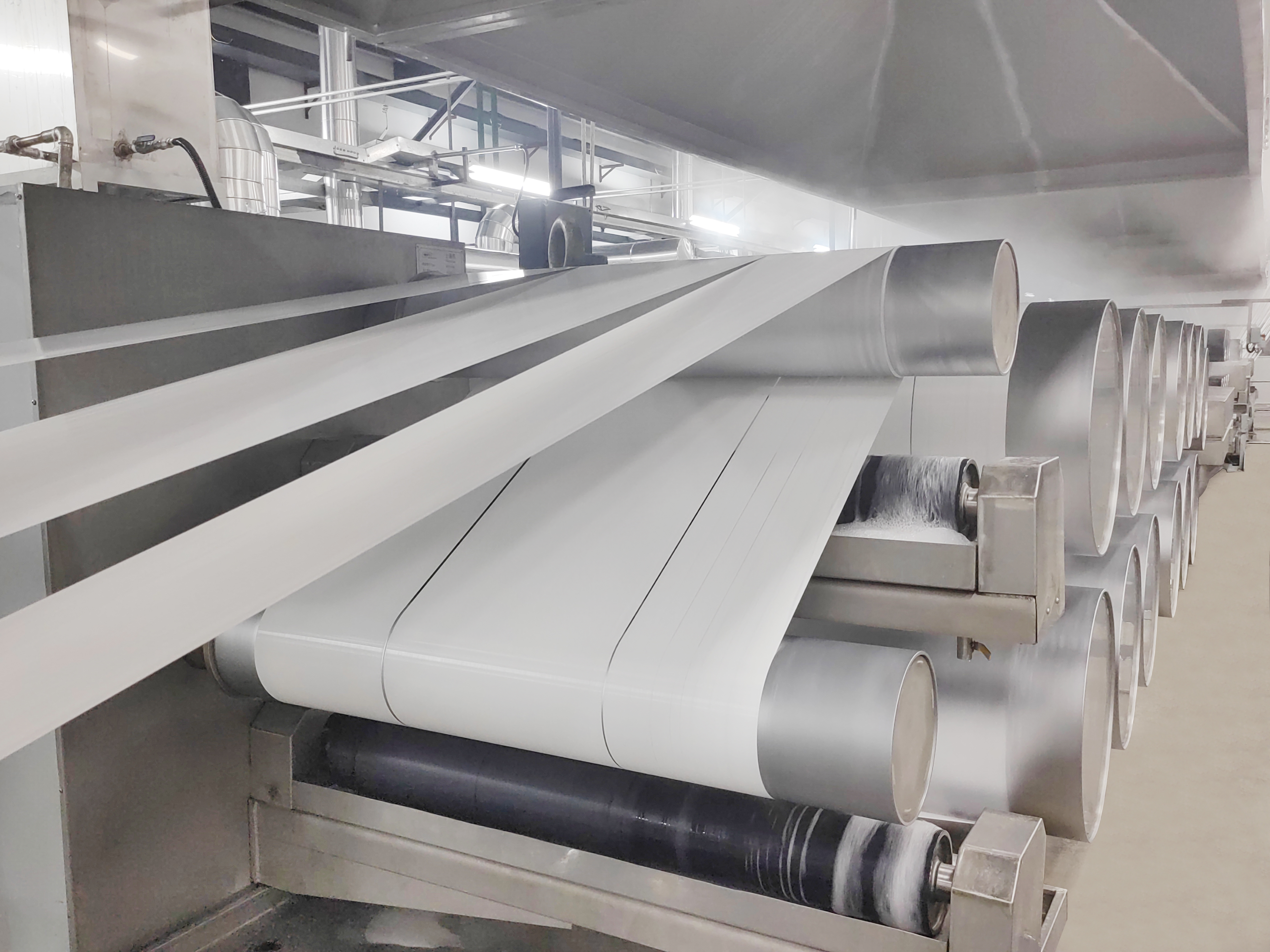 A process-zone view: fiber movement and accessible interfaces should be reviewed together during layout planning.
Design Material Flow and Utility Flow Together
Material movement should be easy to trace from incoming feedstock to packed fiber. Avoid unnecessary reversals, crossing traffic, and blind transfer points where practical. In a fiber factory layout, the flow of chips, melt, tow, finish, waste, packaging materials, and finished bales should be reviewed alongside the movement of people and maintenance tools. A route that looks compact on a drawing may be difficult to operate if access doors, lift paths, or inspection positions are blocked.
Utility planning deserves the same early attention. Power, thermal media, compressed air, water, ventilation, drainage, and control cabling all create physical interfaces. The exact utility package is project-specific, but the design principle is consistent: do not leave utility routing until after major equipment positions are frozen. A well-considered production line design identifies service corridors, isolation points, and safe access before commissioning exposes the constraints.
Use Maintenance Access as a Layout Requirement
Maintenance access is not spare floor area. It is part of the process design. A polyester staple fiber production line may run as a continuous chain, yet individual zones still require cleaning, inspection, replacement, and troubleshooting. If technicians cannot safely reach a component, view a control point, or move a service tool, an apparently efficient arrangement can create longer interruptions later.
During layout review, ask practical questions: Can a team approach the equipment from a safe side? Is there room for temporary tools and removed parts? Are platforms, stairs, guardrails, and escape paths coordinated with operating tasks? Are inspection points visible without forcing people to cross material routes? These questions apply across the PSF manufacturing system, not just around the largest machines.
Build Quality Checks into the Process Handoffs
Quality control is more useful when it is positioned as a loop, not a final inspection gate. A polyester staple fiber production line should make it possible to observe conditions at important handoffs and connect observations to upstream decisions. For example, process teams may need a clear way to review material condition, tow behavior, finish handling, crimp consistency, cut-fiber handling, and packaging identification. The relevant checks depend on the grade and internal quality plan, so they should be confirmed for the specific project.
This approach also improves industrial equipment planning. Sampling locations, operator stations, local control visibility, and data collection needs can influence aisle widths, cable routing, and the placement of auxiliary equipment. When quality requirements are discussed after the layout is fixed, teams often discover that a small missing interface has become an expensive rework item.
Plan Commissioning as Part of the Layout
Commissioning is where the assumptions behind a polyester staple fiber production line become visible. The layout should support staged checks: utilities first, then individual units, then linked sections, then controlled material trials. This sequence makes it easier to isolate a problem without drawing conclusions too early about the entire line.
Define in advance where trial materials will enter, how off-spec material will be contained, which points require temporary observation, and how findings will be recorded. A plant does not become production-ready merely because all equipment is installed. Readiness includes trained routines, accessible interfaces, verified safeguards, and a shared response path when a result differs from expectation.
A Practical Review Checklist
- Confirm that target fiber specifications lead the equipment and layout discussion.
- Trace material, people, waste, and maintenance movement across the full polyester staple fiber production line.
- Review utilities and drainage before finalizing fixed equipment positions.
- Check whether service access remains practical during normal operation and shutdown work.
- Place quality and control interfaces where teams can use them without interrupting flow.
- Define trial, changeover, and off-spec handling routes before commissioning begins.
Conclusion
An effective polyester staple fiber production line layout is a connected system designed around the intended fiber, the people who operate it, and the evidence needed to make decisions during startup. By mapping specifications to process zones, reviewing material and utility interfaces together, and protecting access for maintenance and quality work, teams can create a production line design that is easier to understand, test, and improve. The most useful next step is a project-specific review that records both confirmed requirements and the assumptions that still need validation.


 Hot News