EN
How PSF Machine Technology Has Evolved in Recent Years
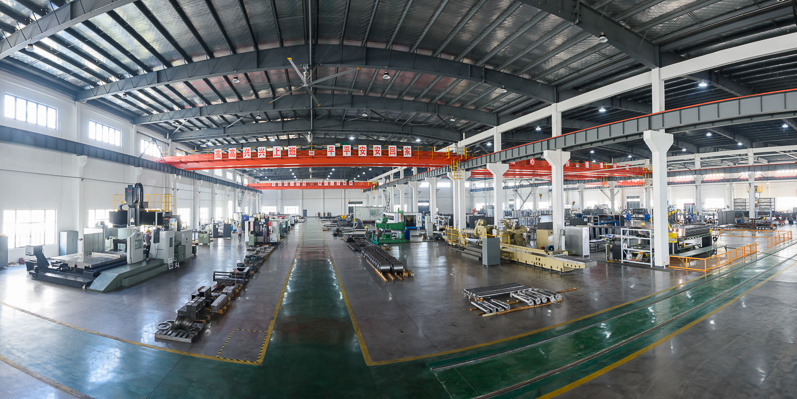
A modern PSF machine is no longer most usefully understood as one isolated piece of equipment. It is a connected production system that brings material preparation, melt handling, spinning, drawing, finishing, utilities, and controls into one operating conversation. That shift matters for manufacturers reviewing fiber machinery innovation: the useful question is not simply which feature looks newer, but which process decision the feature helps the team observe, adjust, or verify.
For a plant team, polyester technology development has increasingly moved from stand-alone mechanical upgrades toward coordinated process control. A PSF machine may still be evaluated around throughput and fiber specification, but its practical value also depends on how well its interfaces support stable operation, maintenance planning, and quality review. This article explains the changes that are shaping that evaluation.
From discrete equipment to a connected PSF machine system
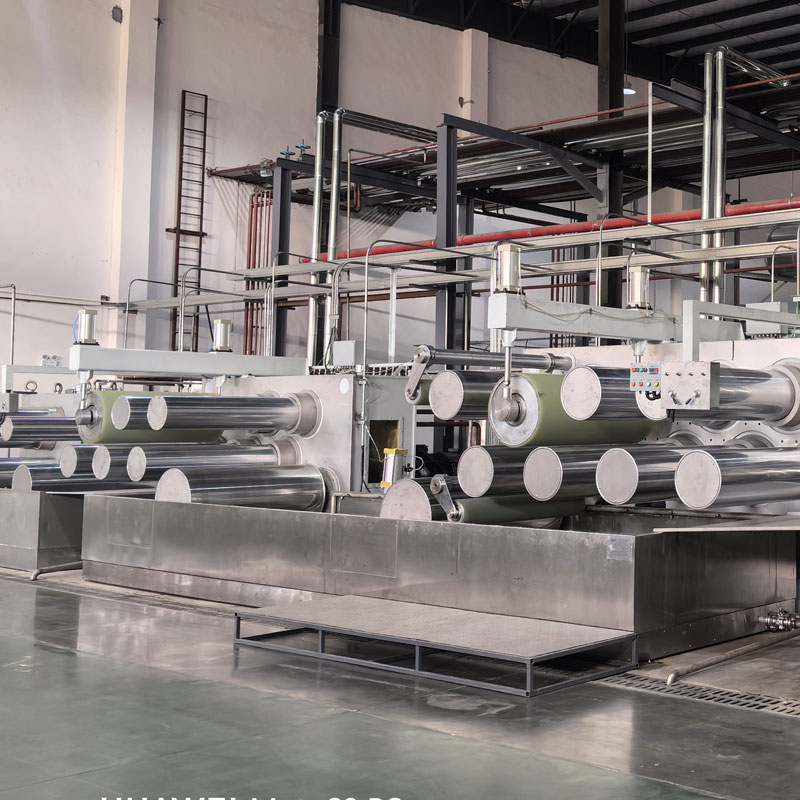
Earlier discussions of a PSF machine often focused on major sections such as extrusion, spinning, drawing, crimping, cutting, and baling. Those sections remain fundamental. What has changed is the expectation that the sections should exchange usable operating information and be reviewed as a coordinated line rather than as a list of machines.
That is an important distinction. A capacity target alone does not show whether material handling, thermal control, utilities, controls, and downstream handling are ready to support it. Recent fiber machinery innovation therefore places more emphasis on interfaces: where polymer condition is handed to spinning, where drawing conditions affect fiber development, and where finishing or cutting feedback can inform the wider line.
For teams planning industrial equipment, this system view helps avoid a common mistake: comparing quotations as a single number while the scope boundaries remain unclear. A stronger comparison identifies what is included for material preparation, automation, safety interlocks, data capture, commissioning, and operator handover.
More precise thermal and process-condition management
Thermal stability has long mattered in polyester processing, but polyester technology development has made control architecture a more visible part of the equipment discussion. General technical references describe melting polyester chips or pellets in extruders at roughly 260–300°C before melt spinning. That range is context, not a universal setting: polymer grade, moisture condition, filtration arrangement, equipment design, and the selected process recipe all require engineering confirmation.
In a current PSF machine, the evolution is less about replacing process knowledge with software and more about making relevant conditions easier to see and manage. Temperature zones, pressure behavior, material flow, and selected line-speed relationships can be brought into a clearer operating view. When an abnormal trend appears, the value lies in helping the team investigate the right interface rather than assuming that a single adjustment solves every fiber-quality question.
This is where manufacturing trends are changing expectations. Operators and engineers increasingly need traceable process context for a run: what material was used, what conditions were intended, what changed, and what should be checked before interpreting the resulting fiber. A well-designed control approach supports that discipline without turning a dashboard into a performance guarantee.
Automation now supports decisions, not just motion
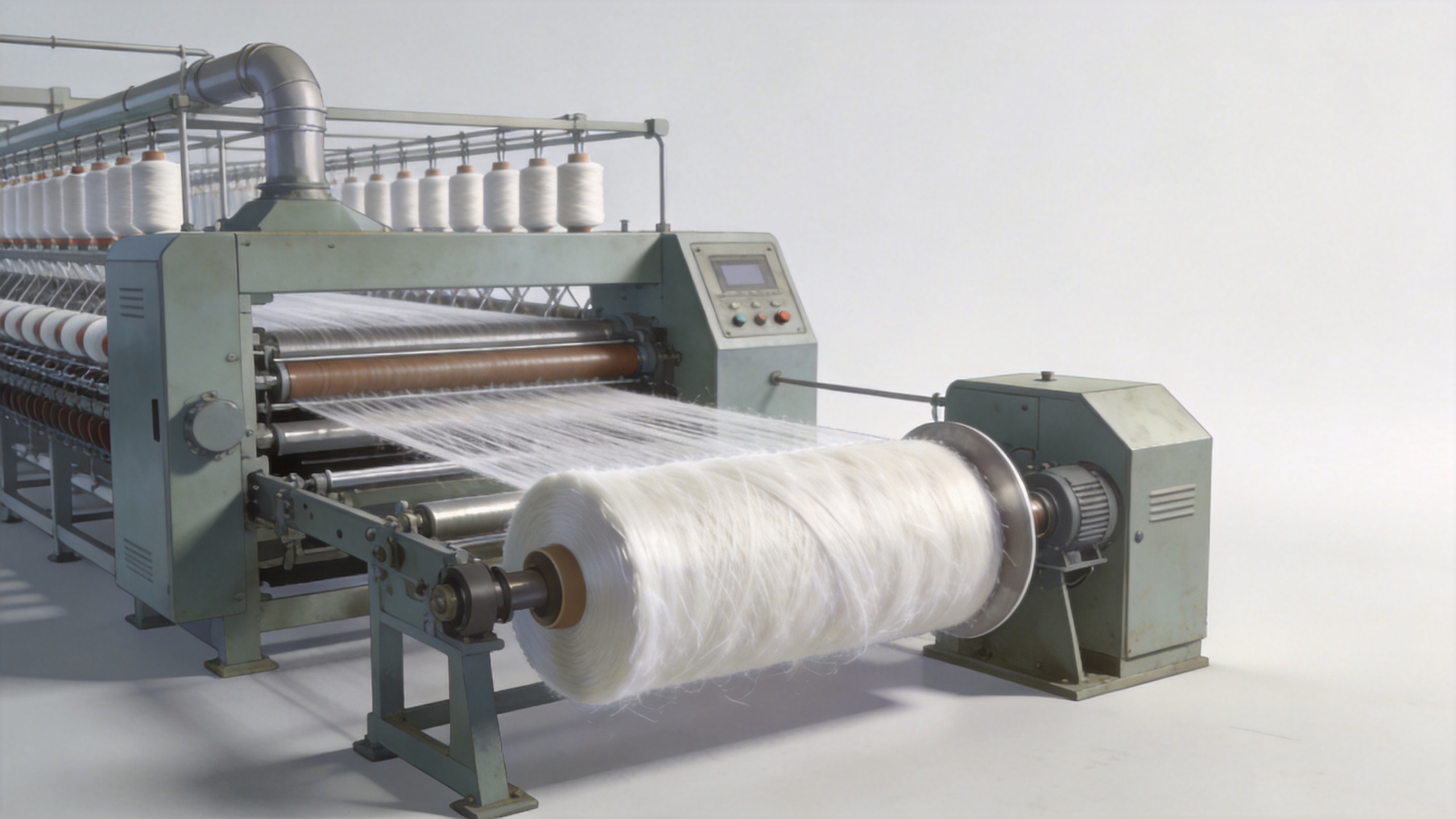
Automation is one of the most visible forms of fiber machinery innovation. In practical terms, an automated PSF machine can monitor selected critical parameters and make timely control adjustments within the approved process logic. The important boundary is that automation should be evaluated against the production objective and validation plan, not treated as a generic label for advanced equipment.
For example, a team may ask whether the control system can present a useful alarm history, distinguish process alarms from utility interruptions, and make operating states clear during start-up and grade changes. These questions connect automation to routine work. They are more informative than asking only whether a PSF machine is automated.
- Visibility: Can operators see the conditions that matter to the target fiber and line stage?
- Traceability: Can the team link a run, change, or alarm to a defined process context?
- Response logic: Are alarms, interlocks, and adjustment permissions aligned with the approved operating procedure?
- Maintainability: Can maintenance personnel identify the relevant device, interface, and check needed after a fault?
These questions keep industrial equipment evaluation grounded. They also make it easier to define acceptance criteria before commissioning instead of relying on broad claims after installation.
Greater flexibility, with clearer validation boundaries
Another manufacturing trend is the demand for a PSF machine that can accommodate a defined range of products or operating scenarios. Flexibility may involve configuration choices, recipe management, or line sections that support different fiber objectives. Yet flexibility should not be confused with unlimited capability. Each intended product range needs its own material assumptions, process conditions, quality checks, and trial criteria.
At first this looks like a machine-selection issue; more precisely, it is a process-and-interface selection issue. If a producer expects changes in feedstock, denier, staple length, or fiber form, the evaluation should include how those changes affect preparation, spinning, drawing, finishing, inspection, and maintenance work. The right PSF machine direction depends on that connected review.
This approach is particularly relevant when polyester technology development introduces new control functions. A digital recipe, for instance, is useful only when its permitted settings, revision control, operator access, and verification steps are understood. The same principle applies to sensor additions: a measurement becomes valuable when the team knows what decision it informs and how it will be checked.
Data integration is becoming a planning requirement
Recent fiber machinery innovation also reflects a broader move toward usable production data. A PSF machine may generate information from equipment states, process signals, energy-related utilities, or quality observations. The planning task is to decide which signals are meaningful, who reviews them, and how they connect to operational decisions.
For an engineering team, it is often useful to map data handoffs before treating the core machinery as the whole scope. Consider the interfaces between line controls and supervisory systems, between maintenance records and alarms, and between quality observations and process reviews. This can help make future troubleshooting more structured, although the actual integration architecture must be confirmed for the specific site.
Soft Gem's stated positioning around overall fiber-material plant planning, process packages, equipment manufacturing, and digital information integration provides a relevant discussion framework here. It should be treated as a scoped planning conversation, with project-specific technical documentation and interface requirements verified before any capability conclusion is made.

How to review an evolving PSF machine concept
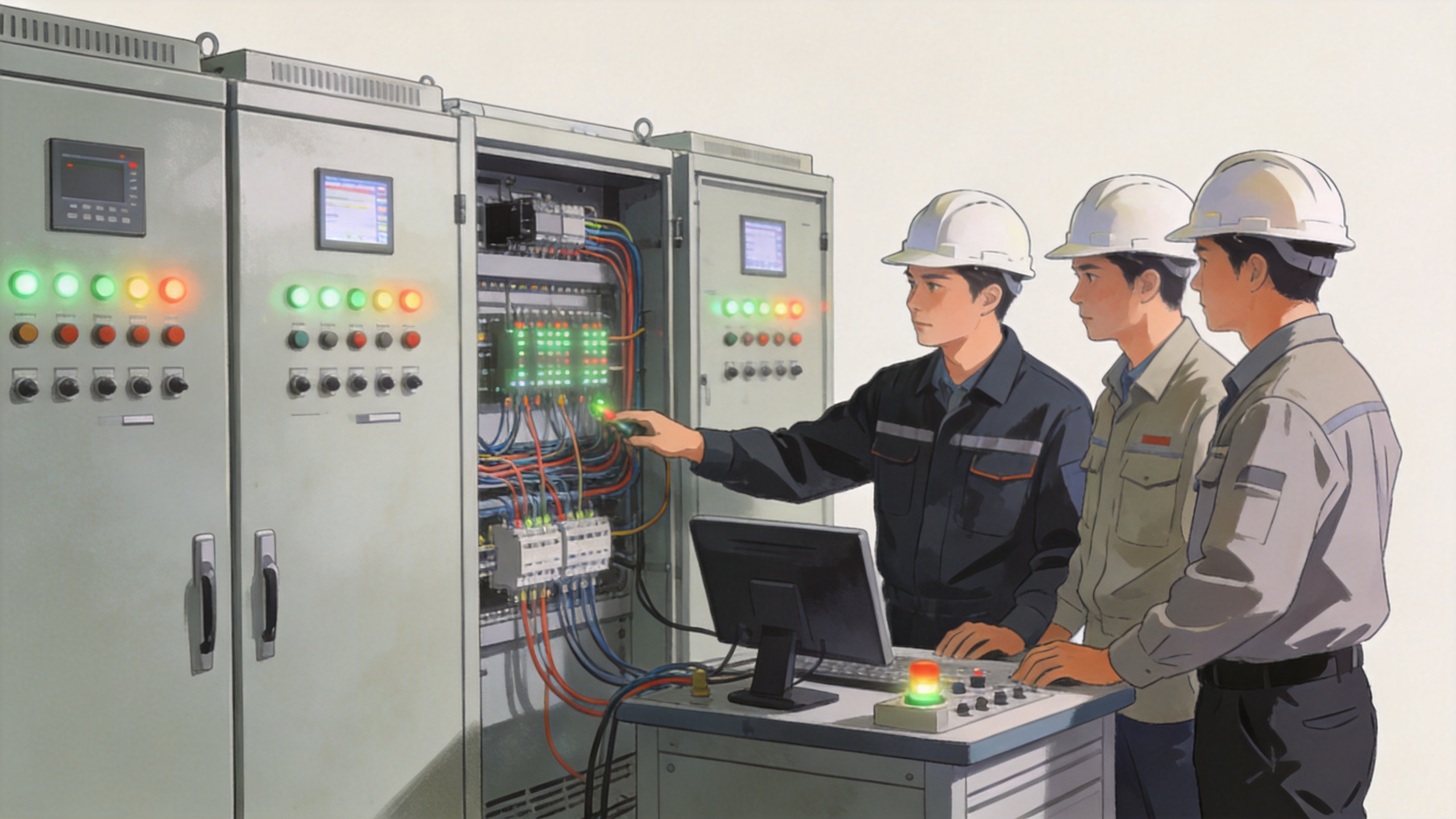
When reviewing a new or upgraded PSF machine, start from the intended fiber and operating objective. Then ask for evidence that connects the proposed technology to that objective. A concise review can include:
- the target fiber range, feedstock condition, and required quality checks;
- the line sections and utility interfaces included in the proposal;
- the process variables that will be visible, recorded, or protected by interlocks;
- the planned approach to recipe control, alarms, maintenance access, and operator training;
- the commissioning tests and documentation needed before drawing conclusions about production readiness.
That checklist turns industrial equipment features into engineering questions. It also respects the fact that a PSF machine is usually a system question: material condition affects process behavior, process design affects controls, and controls affect how teams observe and maintain the line.
Looking ahead
The direction of PSF machine technology is clear: more connected controls, more visible process context, and more attention to the handoffs that shape stable production. Still, technology should be assessed with proportion. A practical next step is not to assume that every digital or automated feature produces the same outcome; it is to define the production objective, map the interfaces, and request the evidence needed for a site-specific engineering review.
For manufacturers following fiber machinery innovation, that is the practical meaning of polyester technology development today. A capable PSF machine is not simply more complex. It is better organized around the decisions that production, engineering, and maintenance teams need to make together.


 Hot News