EN
How Fiber Pilot Line Reduces Risks in Fiber Manufacturing Projects
A fiber manufacturing project can look certain on a flow diagram long before its most important assumptions have been tested. Feedstock behavior, thermal response, drawing conditions, control logic, sample evaluation, and operator routines all interact. A fiber pilot line gives an engineering team a controlled place to turn those assumptions into observations before they are embedded in a larger project. It is not a miniature commercial plant and it does not guarantee scale-up results. Used with a clear trial plan, however, a fiber pilot line can make technical and commercial decisions easier to defend.
The value is especially clear when a team is deciding whether a process concept deserves further engineering. Rather than asking only whether a machine can run, the team can ask whether the intended material, process window, quality checks, and site interfaces are understood well enough to progress. That shift from equipment-first thinking to evidence-first planning is where a fiber pilot line reduces avoidable risk.
What Risks Can a Fiber Pilot Line Help Expose?
Large fiber projects often carry several risks at once. Some are technical, such as unstable material flow or an unclear relationship between process settings and fiber characteristics. Others are organizational: procurement may compare quotations with different scope boundaries, while operations and quality teams may be working from different definitions of acceptable output. A fiber pilot line does not remove these issues by itself, but it creates a practical setting to reveal them early.
- Product-definition risk: clarify which fiber properties, sample forms, and test methods actually matter to the target application.
- Process-window risk: observe how selected settings interact instead of assuming a single laboratory result will transfer unchanged.
- Integration risk: map material handling, utilities, controls, sampling, and downstream handling as connected interfaces.
- Decision risk: record assumptions and evidence so that investment discussions are not driven only by anecdote.
For example, a fiber pilot line may show that a promising output depends on a narrow combination of material condition, temperature control, draw behavior, or handling practice. That is useful knowledge, even when it raises more questions. A pilot is successful when it makes the next decision more precise, not merely when it produces an attractive sample.
Start With a Trial Question, Not a Machine List
Before configuring a fiber pilot line, define the decision that the trial must inform. “Test the line” is too broad. A better question might be: Which process settings should be compared for a stated material condition, and which observations would justify moving into detailed engineering? This approach supports disciplined production testing and prevents teams from collecting data that cannot later be interpreted.
Build a short trial charter
A useful charter identifies the input material, intended output, variables to change, observations to record, sample-handling method, and stop conditions. It should also name who will decide whether an observation is meaningful. A fiber pilot line produces stronger learning when process, quality, and project stakeholders agree on these points before the first run.
Keep the boundary visible. A pilot result may support a hypothesis, but it is not automatically proof of continuous commercial performance. Scale, residence time, heat transfer, material movement, utility behavior, and operating rhythm can change as capacity changes. This distinction protects a project from pilot-to-scale shortcuts.
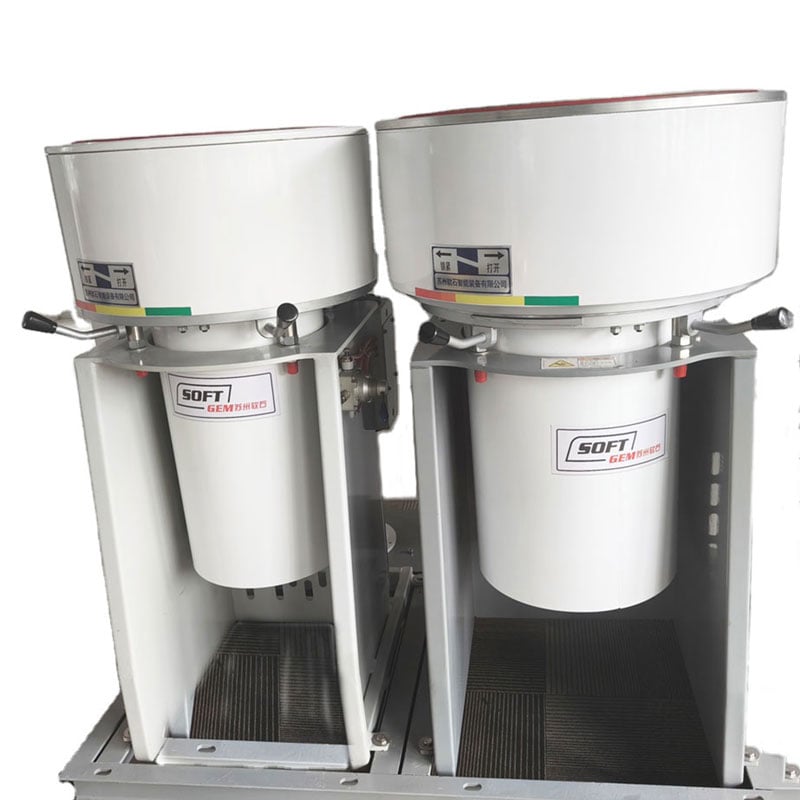
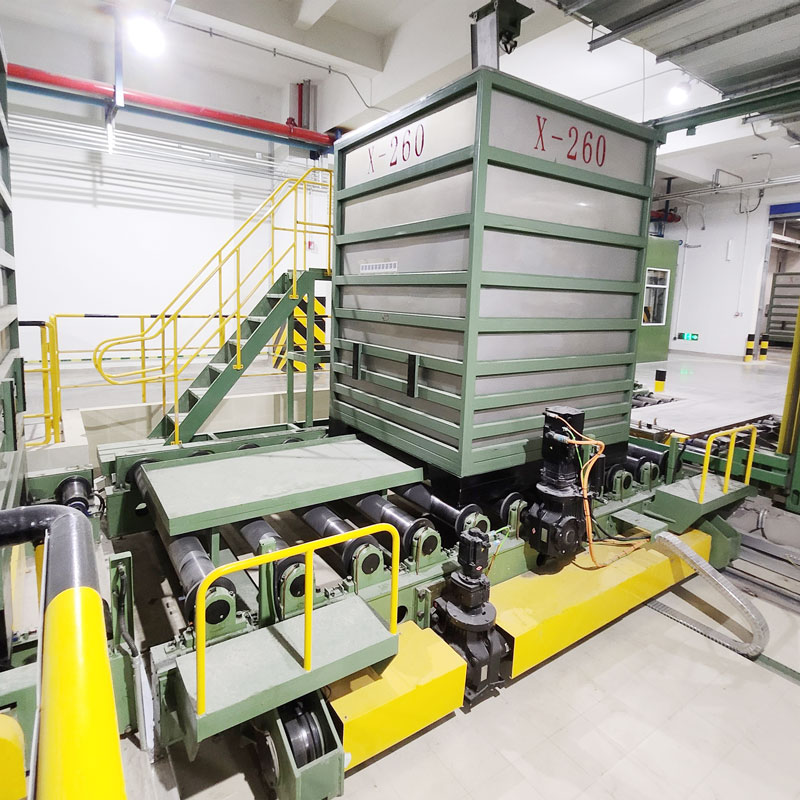 A controlled pilot run helps teams record process conditions before larger-scale decisions.
Use the Fiber Pilot Line to Create a Better Process Map
A fiber pilot line is most valuable when the team follows the whole chain rather than focusing on a single machine. Record what enters the process, how it is conditioned, where settings are adjusted, when samples are taken, and how results are evaluated. This makes process optimization a structured comparison of conditions and outcomes rather than a sequence of isolated adjustments.
| Review area | Questions for the pilot trial | Decision supported |
|---|---|---|
| Material condition | What input characteristics are documented, and how are variations separated? | Feedstock assumptions and acceptance questions |
| Process settings | Which settings are intentionally changed, held stable, or logged? | Priority variables for engineering review |
| Fiber evaluation | Which agreed checks are applied to samples, and under what conditions? | Fit between trial output and target requirements |
| Interfaces | What does the run reveal about handling, controls, utilities, and safety review? | Scope boundaries for the next project phase |
The table does not replace a project-specific protocol. It simply helps the team separate observations from conclusions. When a fiber pilot line reveals an unexpected interface, the right response may be to revise the trial or request more information—not to claim that the commercial design is already validated.
Turn Trial Records Into Scale-Up Decisions
The handover from trial work to engineering is often where information is lost. A fiber pilot line should therefore leave a decision record, not only a collection of samples. Include the trial objective, run conditions, exceptions, observations, sample results, unresolved questions, and the reason for each next step. This record supports fiber technology research while giving non-laboratory stakeholders a clear view of what has and has not been established.
At this point, distinguish three statements carefully: what was observed on the fiber pilot line; what the team believes may be relevant at a larger scale; and what still requires project-specific verification. This simple separation reduces the chance that a preliminary finding becomes an unsupported purchasing promise.
Improve Communication Across Engineering, Procurement, and Operations
A pilot program can also reduce coordination risk. Engineering may need interface data, procurement may need comparable scope definitions, and operations may need clarity about access, controls, maintenance, and training. Reviewing those needs around a fiber pilot line turns an abstract equipment discussion into a shared project conversation.
For a supplier discussion, request the documents that explain process boundaries, included interfaces, applicable trial support, and the information needed for a site-specific review. Soft Gem describes whole-project planning, process-package, engineering-design, equipment-manufacturing, digital-integration, and lifecycle-service topics as areas for project discussion. The relevant scope and evidence should be confirmed for the individual project.
A Practical Checklist Before Moving Beyond the Pilot
- Confirm the original problem that the fiber pilot line was intended to investigate.
- List which observations are repeatable, which are conditional, and which remain uncertain.
- Compare sample evaluation methods with the target application’s actual requirements.
- Map utilities, controls, material handling, safety, and maintenance questions that emerge from the trial.
- Translate the findings into a scoped engineering request rather than a general equipment wish list.
- Set evidence gates before committing to the next phase of industrial development.
A well-planned fiber pilot line does not make a complex fiber project risk-free. It does something more useful: it helps a team learn where uncertainty sits, what evidence is still needed, and which choices should be confirmed before they become expensive. If the trial question, records, and decision boundaries are clear, the pilot becomes a disciplined bridge from research to better-informed manufacturing planning.


 Hot News