EN
Fiber Pilot Line Equipment: From Laboratory Research to Industrial Production
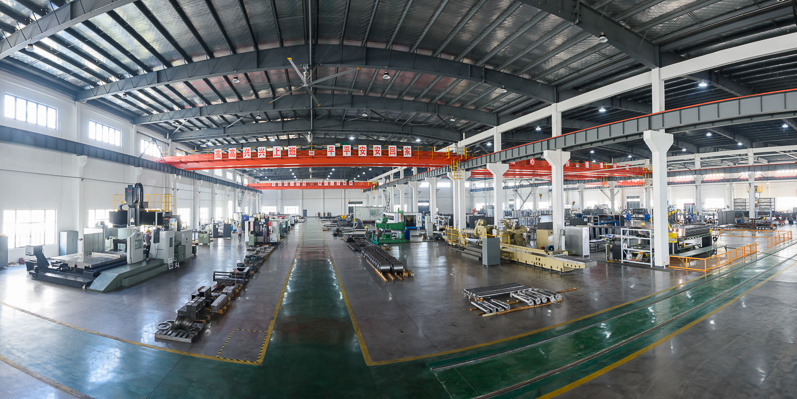
A fiber pilot line gives development teams a practical bridge between a laboratory idea and an industrial production decision. It is not simply a smaller factory. Properly planned, it is a controlled environment for asking whether a fiber recipe, process sequence, and operating window can be repeated with enough evidence to justify the next stage.
From a pilot-line development perspective, the starting point should be the target fiber and the question the trial must answer—not an isolated equipment feature. That distinction matters. A promising lab sample may show that a material can be made; a fiber pilot line helps test whether the related feeding, thermal, spinning, drawing, control, handling, and quality steps work together under a defined set of conditions.
What a Fiber Pilot Line Is Meant to Prove
A fiber pilot line sits between small-scale research and commercial engineering. It can support material screening, process development, parameter comparison, sample preparation, and operator learning. The useful output is not necessarily a large volume of fiber. It is a documented set of observations that helps a team decide what should be retained, adjusted, or investigated before scale-up.
At first, this may look like a machine-selection issue. More precisely, it is a process-and-interface selection issue. The line needs enough flexibility to run meaningful trials, while remaining close enough to the intended process logic that results are relevant beyond the lab. If a laboratory route cannot represent key thermal, mechanical, control, or material-handling conditions, its results may need further qualification before they guide industrial equipment decisions.
Start With a Trial Question, Not a Capacity Number
The most productive fiber pilot line programs define a trial question before configuring a run. For example, a team may need to compare material conditions, observe the effect of a drawing change, assess process stability, or establish whether a proposed quality target can be evaluated consistently. A capacity figure alone does not answer whether the relevant utilities, controls, sampling points, and downstream handling are ready to support the trial.
A concise trial brief should identify:
- the target fiber attributes and the intended application context;
- the material inputs and known variability that may affect the result;
- the process variables that will be deliberately changed or held constant;
- the samples, observations, and measurements required for a decision; and
- the assumptions that cannot yet be validated on the pilot scale.
That framing turns a fiber pilot line from a demonstration asset into a working learning system. It also makes later discussions with engineering, production, quality, and procurement stakeholders more focused because everyone can distinguish a recorded observation from an assumption.
Translate Laboratory Findings Into Pilot-Scale Conditions
Laboratory research often begins with a narrow variable set. A pilot production system should extend that work without treating a lab result as a finished industrial recipe. Depending on the fiber route, relevant conditions can include material preparation, temperature control, throughput behavior, spinneret or forming conditions, cooling, drawing, winding or cutting, and how samples are identified and retained.
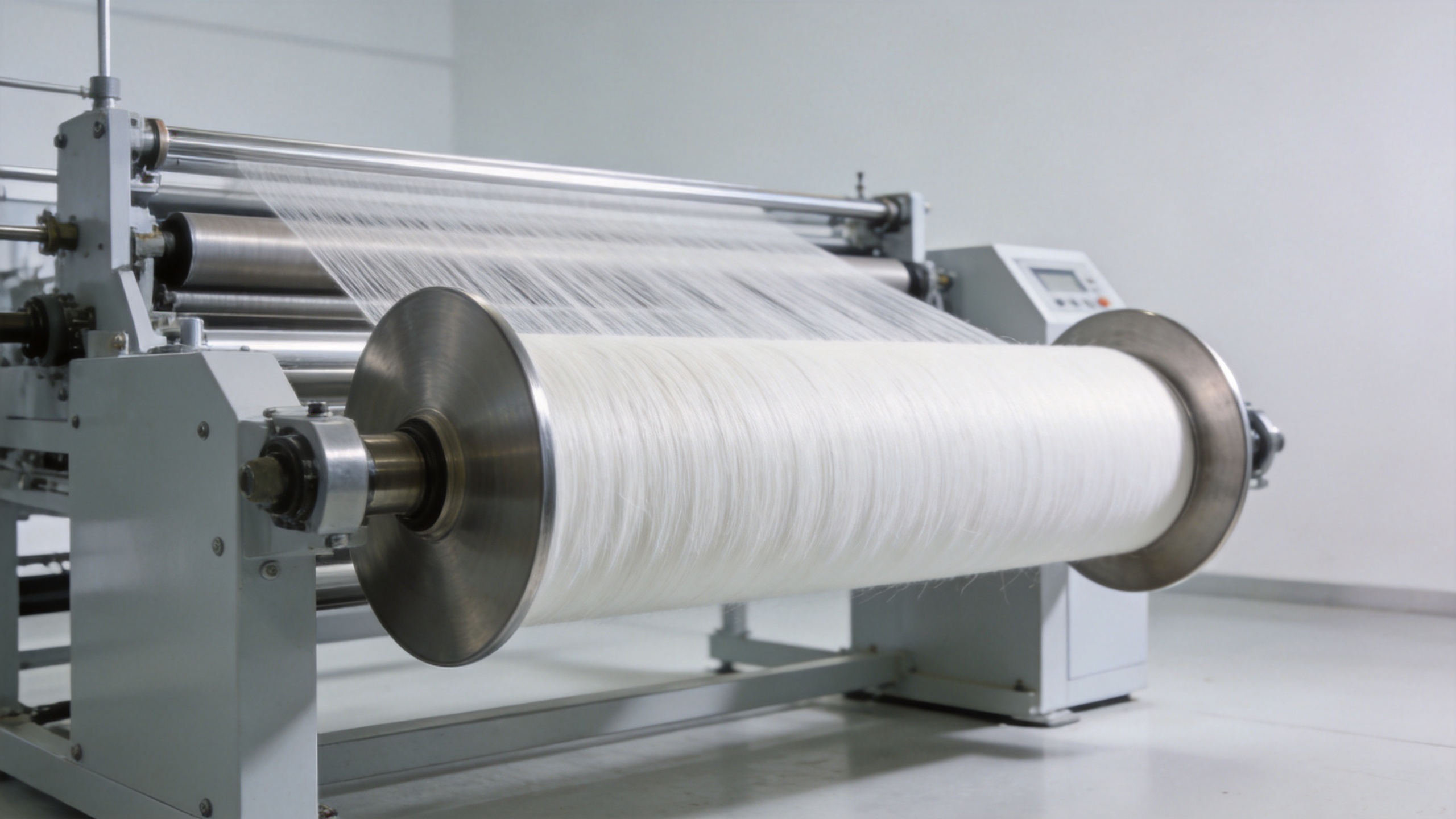
Some pilot equipment categories are configured around variables such as roller width, fiber speed, and stretch ratio. Those examples are useful because they show why a fiber pilot line needs planned parameter control and traceable run records. The goal is not to make every trial more complicated. The goal is to understand which changes appear to matter, which interactions remain uncertain, and which settings should be retested.
That said, a line with many adjustable settings is not automatically more informative. A scale up production decision benefits when the team limits each run to a manageable question and records what remained unchanged. Otherwise, several moving variables can make an apparent improvement difficult to interpret.
Use Quality Evaluation as Part of the Process Loop
A fiber pilot line should be connected to a defined quality loop. The applicable evaluation plan depends on the material and end use, but fiber assessment can include attributes such as size, breaking strength, elongation, and staple length. These are examples of evaluation dimensions, not universal acceptance criteria. The right measures, methods, conditioning practices, and tolerances need to be confirmed for the project.
For each run, connect the process record to sample identification and the resulting observations. That record makes comparisons more meaningful from one run to the next. For instance, a shift in a physical property may prompt a review of input condition, process settings, draw conditions, or sampling consistency before a broad conclusion is made. In project planning discussions, it is often useful to review these interfaces before treating the core equipment as the whole scope.
Fiber research equipment is most valuable when it supports this loop: define the hypothesis, run under recorded conditions, evaluate the samples, and decide what should be tested next. It may feel slower than moving straight to a larger line, but it can reduce ambiguity in the information used for a later engineering review.
Plan the Interfaces That Change During Scale-Up
Scale up production is not a direct multiplication of laboratory output. As scale changes, material handling, residence time, heat transfer, controls, utility demand, operator access, maintenance access, sampling practice, and downstream logistics can all require renewed review. A fiber pilot line cannot remove those questions, but it can make them visible earlier.
A practical handoff from pilot work to industrial planning usually includes a process narrative, a list of tested conditions, sample and quality records, operating observations, known constraints, and open questions. It should also identify which findings were demonstrated on the pilot line and which still require engineering confirmation at the intended industrial boundary. This is particularly important where the material input or final application changes from the initial research case.
Choose Equipment Scope Around Development Readiness
When evaluating a fiber pilot line, teams can ask whether the proposed scope supports the trials they actually need. Useful questions include whether key modules can be observed safely, whether settings can be recorded, whether material changes can be controlled, whether samples can be traced, and whether the layout exposes important interfaces. The answers may point toward a focused line for a specific development route or a more flexible platform for several research questions.
For organizations moving from research toward manufacturing development, whole-project planning discussions can help organize those questions across process, equipment, controls, and utilities. The appropriate scope, configuration, and validation requirements remain project-specific and should be confirmed through engineering review.
From Pilot Evidence to an Industrial Decision
The point of a fiber pilot line is not to promise industrial performance. Its value is that it gives a team a disciplined way to collect evidence before larger commitments are made. Define the development objective, choose the variables that matter, connect process records to quality evaluation, and carry unresolved issues forward rather than hiding them.
With that sequence, a pilot production system becomes more than a midpoint between the laboratory and the plant. It becomes a structured decision stage: one that helps technical and commercial stakeholders discuss industrial production from a clearer, more testable foundation.


 Hot News