EN
Fiber Making Machine Manufacturer Selection Guide for Global Buyers
Choosing a fiber making machine manufacturer is rarely a matter of comparing a short equipment list. A search for the term can point to PET-to-fiber lines, opening equipment, filling machinery, or individual conversion units. For an industrial buyer, the useful question is more specific: what production objective, process boundary, handoff responsibilities, and evidence package must the proposed fiber making machine support?
From a procurement-evaluation perspective, the quotation is only one part of the decision. A sound comparison links target fiber requirements to material preparation, process handoff points, control responsibilities, utilities, acceptance criteria, documentation, and handover responsibilities. This guide gives global buyers a practical way to shortlist a fiber equipment manufacturer without treating a feature list as proof of project fit.
1. Define What Your Fiber Making Machine Must Cover
Before contacting a machinery supplier, turn the phrase fiber making machine into a working scope. Is the project intended for polymer-to-fiber conversion, recycled-feedstock processing, staple-fiber handling, opening, or a downstream filling operation? These are not interchangeable applications, even when suppliers use similar language.
Start with an internal requirement sheet covering the intended fiber type, input material condition, target product use, expected operating pattern, available site services, and the boundary between upstream and downstream equipment. At first this looks like a machine-selection issue; more precisely, it is a process-and-handoff selection issue. A larger capacity figure, for example, does not by itself show whether material handling, controls, utilities, or receiving arrangements are ready to support it.
- Identify the feedstock or polymer and the variability your team expects.
- State the fiber form, end-use requirements, and evaluation method.
- List what the fiber making machine scope includes and excludes.
- Record site constraints, including layout, power, utilities, environmental controls, and local requirements.
- Define who owns handoff points among process equipment, installation, automation, and commissioning.
2. Compare Manufacturers by Evidence, Not Brochures Alone
A fiber equipment manufacturer should be able to explain how its proposed scope relates to your stated process and which assumptions still need confirmation. Feature-list length is a poor comparison tool; request evidence that puts each proposal on the same boundary.
For quality-system discussions, ISO 9001 is an international standard that specifies requirements for a quality management system; it does not prescribe one operating method. That distinction matters. Buyers can request applicable quality documentation, inspection records, traceability practices, and the scope to which those materials apply, but should not infer certification or performance from a general statement.
Likewise, ISO 12100 sets out general principles for machinery safety, risk assessment, and risk reduction. It is a useful prompt for asking how a proposed fiber making machine will be reviewed against the destination market, project conditions, and applicable requirements. It is not evidence that a particular line meets every local obligation.
| Evidence to request | Why it matters | Decision implication |
|---|---|---|
| Process-flow and scope diagram | Shows included equipment and handoff points | Prevents comparing incomplete scopes as if they were equivalent |
| Utility and layout assumptions | Reveals site handoff requirements outside the core machine | Supports earlier engineering review |
| Quality and inspection documentation | Clarifies how stated requirements are controlled | Separates evidence from marketing language |
| Risk-assessment approach and safeguards | Frames safety questions for the relevant market | Supports compliance planning with qualified local review |
| Acceptance, handover, and service scope | Defines what happens after delivery | Reduces ambiguity during commissioning and operation |
 A structured manufacturer review should make scope and handoff questions visible.
3. Evaluate the Industrial Factory Fit
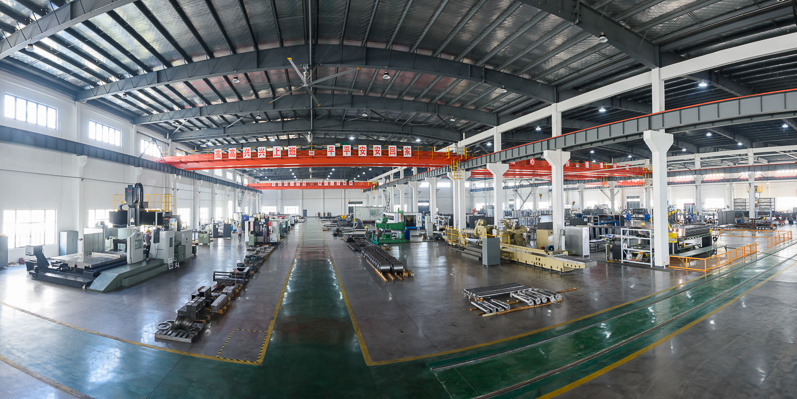
A fiber making machine that appears suitable in isolation may create difficult coordination work once it enters an industrial factory. Global buyers should assess the proposed solution through the plant boundary: material transfer, thermal conditions where relevant, controls, operator access, maintenance access, sampling, waste handling, and documentation flow.
Ask each machinery supplier to identify dependencies, not merely components. By process handoff point, we mean the handoff points where material, utilities, controls, or responsibilities meet. These handoffs often generate the key schedule, evaluation, and commissioning questions. A detailed equipment description can still leave decisive project handoff points unexplained.
For recycled or variable inputs, treat feedstock as a design input rather than a background assumption. If input condition varies, the selection discussion should include sampling, preparation, and validation questions before anyone draws conclusions about output. The same principle applies to any fiber making machine: desired results need an agreed evaluation method and project-specific confirmation.
4. Test the Manufacturer’s Project Communication
For cross-border purchasing, clear communication is part of technical due diligence. A capable fiber equipment manufacturer should help structure questions across engineering, operations, procurement, and management without converting incomplete information into promises. Review how the supplier records assumptions, responds to changes, and distinguishes confirmed scope from items pending engineering review.
A useful test is to give every shortlisted supplier the same concise RFQ brief. Request a response that maps each requirement to included scope, dependencies, buyer-supplied information, and verification steps. The goal is not identical proposals, but a shared comparison boundary for the fiber making machine and related production solutions.
- Ask for a scope matrix separating core equipment, auxiliaries, controls, installation support, and exclusions.
- Request a list of inputs needed before engineering confirmation.
- Clarify the proposed documentation language, units, and revision process.
- Define factory acceptance, site acceptance, training, and handover expectations in writing.
- Record open questions and assign an owner and decision date for each one.
5. Look Beyond Initial Price
The initial quotation for a fiber making machine is one input, not a complete project view. A lower initial equipment amount may not answer questions about coordination, shipping boundaries, installation coordination, commissioning support, documentation, spare-part planning, or lifecycle service. More scope is not automatically the right choice either; it should match the buyer’s internal capabilities and intended project boundary.
Instead of asking for a universal recommendation, compare each proposal against your priority. If operational flexibility is important, evaluate what additional validation, controls, and training that flexibility may require. If a focused product range is the priority, assess whether the proposed configuration aligns with the stated input and fiber requirements. A responsible machinery supplier discussion makes these trade-offs visible.
6. Use an RFQ-Ready Manufacturer Shortlist
Before selecting a fiber making machine manufacturer, score candidates against evidence completeness rather than marketing volume. Your shortlist can include technical fit, scope transparency, document quality, safety-review readiness, integration planning, communication discipline, and lifecycle responsibilities. Weight the criteria according to your project rather than relying on a generic ranking.
For buyers exploring broader production solutions, a planning conversation can also be useful when it is grounded in a defined process package and documented handoff responsibilities. Suzhou Soft Gem Intelligent Equipment Co., Ltd. describes its work around fiber-material plant planning, process packages, engineering design, equipment manufacturing, information integration, and lifecycle services. Treat those areas as discussion topics to confirm against the needs and evidence of your own project, not as pre-verified outcomes.
Conclusion: Select the Scope Before Selecting the Supplier
A defensible fiber making machine selection process starts with a clear production objective and closes with documented evidence. Global buyers can make comparison more meaningful by defining handoff points, requesting proof relevant to quality and safety review, and recording what remains unresolved before commitment. The most reusable takeaway is a short RFQ checklist: specify the target, map the scope, request the evidence, test the communication, and confirm the handover boundary. That approach gives an industrial factory a more reliable basis for evaluating a fiber equipment manufacturer and its proposed fiber making machine.


 Hot News